
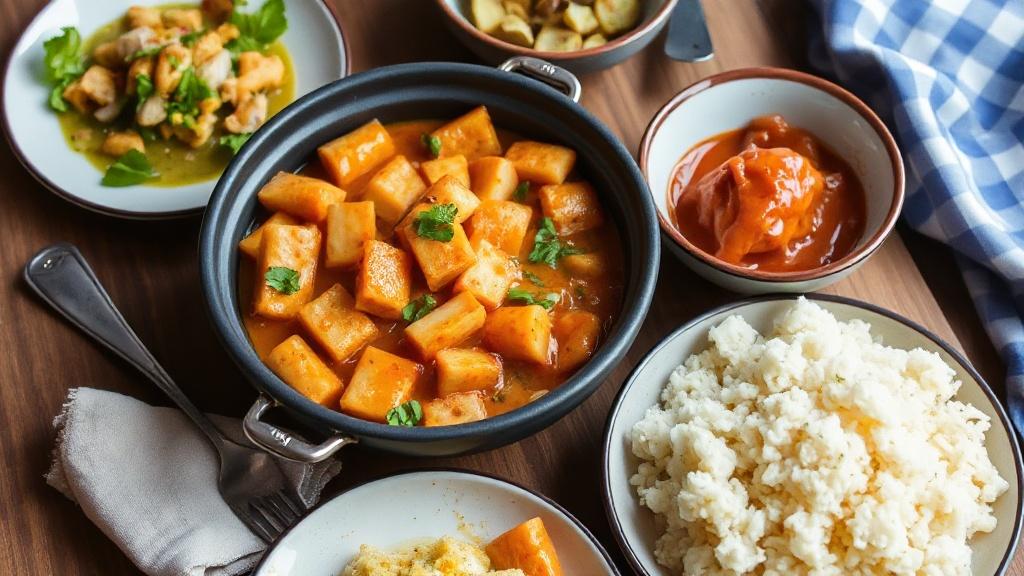
Polish cuisine carries the weight and warmth of family tables, where every dish tells a story of harvests, seasons, and shared laughter. In modern kitchens, those stories are reimagined rather than abandoned. The idea behind Tradycyjne polskie dania w nowoczesnym wydaniu is not novelty for novelty’s sake, but a thoughtful bridge between memory and experimentation, between old conditionings and new techniques that honor flavor, texture, and identity.
From heritage to modern kitchens
Traditions are not fossils; they’re living frameworks that adapt as communities grow. Polish cooks—home enthusiasts and restaurateurs alike—have learned to celebrate the core of a dish while inviting unfamiliar methods to the table. It’s not about replacing history with trendiness, but about letting the kitchen breathe a little, letting ingredients rub elbows with new partners, and letting technique extend the pantry’s possibilities.
In my own kitchen, I’ve watched a grandmother’s pierogi recipe become a test bed for texture and balance. The dough, once a matter of patience and memory, now benefits from a rest in the fridge and a precise rolling routine. The filling—potatoes, cheese, and onions—remains faithful, but a touch of smoked cheese or beetroot confers a new color and depth. This is the essence of the approach: preserve the spirit, enrich the experience.
Reinventing classics: pierogi, barszcz, bigos
Pierogi: tradition on a plate, reimagined
Pierogi anchor Polish cooking for many people, offering room for both simplicity and ceremony. In modern versions, the dough can become a cradle for unexpected fillings: wild mushroom and marscapone, lemon zest and dill with salmon, or roasted beet and goat cheese. The key is to keep the dough supple and the filling bright, so each bite feels as comforting as the original while tasting new.
Texture matters as much as flavor. Chefs experiment with a two-tone approach—soft, nearly steamed interiors paired with lightly fried exteriors that crackle when you bite. Crispy edges and tender centers deliver a dynamic contrast that mirrors the balance Polish food has always sought: heartiness with a hint of surprise. The result is pierogi that feel both nostalgic and novel, suitable for a weeknight supper or a celebration with friends.
At home, pierogi can become a playful workshop. Rolling out dough with a friend, shaping dozens, and then freezing them in neat rows makes a tradition feel like a ritual rather than a chore. If you’re pressed for time, you can swap some fillings—potato and cheese one week, mushroom and leek the next—and still capture the sense of rooted, seasonal cooking.
Barszcz and the tang of memory with a twist
Barszcz, that ruby-red beet broth, speaks of winter holidays as much as it does of everyday meals in regional households. Modern takes keep the beet’s sweetness at the core while layering acidity, smoke, or herbaceous brightness on top. A splash of sherry vinegar, a kiss of horseradish, or a dab of smoked bone marrow can turn a familiar cup into a conversation starter.
Some chefs round out the tradition with fermentation—beet Kvass or a tangy beet pickling brine—that adds complexity without masking the broth’s base. Others present barszcz in a tasting sequence, a warm vapor rising from the bowl as a discreet aroma, guiding diners toward a memory rather than overwhelming it. The result is a drinkable, comforting soup that still feels like home, only a little more curious.
What matters here is not to erase the past, but to layer it. Barszcz can stand on its own while lending its crisp acidity to other dishes—glazed meat, roasted root vegetables, or a dollop of horseradish crème—creating a cohesive plate where every element feels essential and connected to the same seasonal pantry.
Bigos: from hunter’s stew to refined table
Bigos carries centuries of Polish cooking in its pot: sauerkraut, fresh cabbage, different cuts of meat, and a slow embrace of time. Modern interpretations tend to temper the rustic strength with refined textures and balance. Think braised brisket that falls apart under the fork, but plated with a glaze that sings rather than stabs at the palate; or a version where gamey notes are tempered by fruit-forward acidity and a light pepper finish.
The beauty of bigos in a contemporary kitchen is its versatility. It can be prepared as a hearty main, a layered crostini spread, or a velvety soup with a smoky finish. Some cooks add a hint of cocoa or coffee—an homage to the stew’s deep, almost meal-like character—without tipping into heavy-handedness. The result remains undeniably Polish, yet speaks a language that today’s diners recognize and respond to with enthusiasm.
In practice, bigos often wins on patience. A long simmer creates a tapestry of flavors that a quick, high-heat approach cannot replicate. The modern eater appreciates a dish that shows its work: the meat’s tenderness, the cabbage’s brightness, and the slow-building chorus of spices, all harmonizing rather than clashing.
Ingredient rope: sourcing and technique
Modern Polish cooking thrives on ingredients that tell a story: local dairy, heirloom vegetables, foraged mushrooms, river fish, and bread that’s more memory than mere sustenance. The best reinterpretations start with good raw materials and respect for seasonality. When you build a dish around ingredients that exist in harmony with the cycle of the year, the modern aspect becomes a natural extension, not a gimmick.
Technique matters as much as ingredient choice. Home cooks and professionals alike are embracing fermentations, brining, smoking, and controlled sous-vide sessions to coax textures and flavors that were previously out of reach. The idea is not to mask the dish’s origins with a fancy technique but to reveal them through a new lens—gracefully and deliberately.
For example, a simple potato pancake can be elevated through a crisp, nitrogen-charged topping, a dairy-based foam, or a crisp herb oil that winks at the dish’s rustic roots. A beetroot soup can benefit from a whisper of citrus to lift its sweetness, or a dollop of tangy yogurt to soften its edge. These touches are small, but they shift the dining experience from routine to memorable without losing what makes the dish Polish in the first place.
| Ingredient | Traditional role | Modern twist |
|---|---|---|
| Pierogi filling | Potatoes, cheese, onions | Smoked trout with dill, beet and goat cheese, mushrooms with truffle |
| Beet soup | Beet, onion, sour cream | Beets with sherry, horseradish oil, yogurt swirl |
| Bigos | Cabbage, mixed meats | Game meats, fruit glaze, cocoa or coffee note |
Influences and regional voices
Polish cooking is a mosaic of regional identities, each with its own textures, microbes, and stories. The north’s sea air and rye bread, the south’s mountain greens and smoked cheeses, the east’s forests and mushrooms—the country’s culinary geography is a repository of flavors waiting to be reinterpreted. A modern menu can honor these regional voices while offering a global sensibility that makes the dishes accessible to a broader audience.
Regional dishes invite experimentation: a Podlasie-inspired beet salad with horseradish and apples, a Silesian dumpling crowned with mushroom sauce, a Pomeranian fish chowder that leans into citrus brightness. These variations emphasize a thread that runs through many kitchens: respect for provenance, curiosity about how different climates shape taste, and a willingness to adjust sweetness, salt, and fat to enhance balance rather than overwhelm it.
In practice, this means listening to farmers, fishmongers, and foragers who speak with the language of the land. It means letting the plate reflect a place and a season, whether it’s the dry, mineral taste of a lake-city harvest or the earthy, loamy aroma of a hillside orchard. The modern palate doesn’t abandon memory; it learns to carry it with new clarity and confidence.
Modern dining and presentation
The way a dish is presented can transform the eating experience as much as the ingredients themselves. Modern Polish cuisine often leans toward elegant restraint: plates are clean, colors are deliberate, and textures are layered in a way that invites closer inspection. A well plated dish communicates a story through geometry, not just through flavor.
Color plays a crucial role. A traditional beetroot soup can be brightened with a lime-green herb oil, or a pale pierogi can be framed by a smear of purple carrot purée. Plating should feel intentional, not decorative; every element has a reason to be where it sits. This is how a kitchen creates memory on the plate: small, precise choices that add up to a larger, memorable impression.
On the service side, modern dining often pairs a traditional dish with a contemporary context: a rustic pierogi sitting beside a pristine, modern spoon, or a barcz with a modern, smoky aroma released by a careful presentation. The goal is to invite curiosity and conversation, to encourage diners to slow down, notice details, and feel connected to a lineage that remains alive through the plate in front of them.
Technology, sustainability, and the kitchen of today
Advancements in kitchen technology have opened doors for Polish cooks who want to preserve tradition while exploring new textures and flavors. Sous-vide can gently transform tough cuts into silky centers for gołąbki, while precise dehydration creates crisp toppings that echo street-market snacks from years past. The trick is to use technology as a tool, not a substitute for flavor and memory.
Sustainability threads through every thoughtful reinterpretation. Local sourcing reduces waste and reinforces seasonal identity, while saving families money and supporting regional farming. Fermentation, pickling, and brining convert surplus produce into pantry staples, ensuring that no ingredient goes to waste and every dish carries a time-stamped memory of the season it represents.
These approaches do more than modernize; they empower cooks to tell more nuanced stories about Polish cuisine. They enable a shared kitchen language that honors both the old and the new, so that a grandmother’s recipe can coexist with a chef’s experimental plate without either losing its voice.
Home kitchen wins: cooking Polish with confidence
Thinking about bringing these ideas into your own kitchen? The core principles are within reach for home cooks who approach the stove with curiosity and patience. Start with one dish you love—the pierogi, the barszcz, or bigos—and give it a contemporary twist that respects its roots. You don’t need a test kitchen or a professional pantry to begin.
Here are practical moves that can make a real difference:
- Source ingredients with intention: seasonal vegetables, local dairy, and quality meat where possible, and choose organic or pasture-raised options if you can.
- Build flavor layers slowly: a gentle sauté, a long simmer, and a careful finish with acidity or dairy to balance richness.
- Experiment with technique in small batches: try a two-tone pierogi dough or a beet soup finished with a citrus oil to brighten the palate.
- Plating as storytelling: think about color, texture, and shape when you serve, even at a family dinner, so the plate invites conversation.
- Respect texture: combine tender fillings with crisp edges or velvety sauces to create a satisfying contrast in every bite.
Even modest changes can elevate a familiar dish to something that feels current without betraying its essence. The more you lean into the dish’s natural personality, the more you’ll discover that traditional Polish dishes lend themselves beautifully to modern sensibilities.
Personal notes and stories from the kitchen
Over the years, I’ve watched friends and family respond to these ideas in surprising ways. A grandmother who once insisted on a simple, almost austere barszcz found joy in a friend’s playful herb oil—suddenly the soup felt lighter and more modern while still carrying the same soul. A cousin who would never leave a pierogi untouched by butter discovered that a quick pan-sear gave the dumplings a new texture without erasing their gentle interior.
In gatherings I’ve hosted across seasons, dishes built around tradition have become conversations about the future. The room fills with questions: How did you achieve that brightness in the beet soup? What made those dumplings crisp at the edges? Each answer leads to another idea, another small change, another person eager to try at home. That’s the heart of these modern interpretations: they invite participation, curiosity, and continued discovery rather than passive consumption.
Ultimately, Tradycyjne polskie dania w nowoczesnym wydaniu is not just about clever plating or trendy ingredients. It’s a philosophy of cooking that honors memory while inviting present-day cooks to contribute. It’s about building a living kitchen where stories can be tasted, and where every plate acts as a bridge—between past and future, between one family’s table and a wider community of eaters who crave something honest, warm, and a little surprising.
As you explore these ideas, let your own palate be the guide. If a dish feels too heavy, lighten it with acidity or a touch of dairy. If a texture feels starchy, swap in something crisp or refreshing. The kitchen is a laboratory of taste, but it’s also a sanctuary of memory, and the best experiments preserve the warmth that makes Polish cooking so resonant across generations.
In the end, the true achievement of modern Polish cooking lies not in novelty for its own sake, but in the way it extends welcome. It invites both seasoned gourmets and curious home cooks to sit at the table, listen to the chatter of pots and pans, and taste the continuity of a cuisine that is ancient and alive at once. That’s how traditions survive: by evolving with intention, sharing generously, and savoring every honest bite along the way.
What began as a simple desire to make comfort food accessible in a bustling city kitchen has transformed into a broader movement—one that respects the discipline of the old ways while embracing the openness that contemporary cooking requires. If you leave nothing else behind but this: treat each dish as a living artifact, capable of carrying memory and inviting growth. Then you’ll understand why these ideas resonate so deeply with families, chefs, and eaters who crave both familiarity and exploration.
Whether you’re plating for a dinner party or just planning a cozy weekend meal, remember that the essence of traditional Polish dishes can glow as brightly in a modern setting as it does in grandmother’s kitchen. The trick is to listen to the ingredients, to respect their origins, and to allow thoughtful technique to illuminate rather than overshadow their character. When you do, you’ll find that Tradycyjne polskie dania w nowoczesnym wydaniu becomes less about trend and more about a shared, evolving cuisine that welcomes everyone to the table.